Valplekar
Choosing a new furry friend is one of the most exciting things you will ever do. In Swedish, the word for puppies is valplekar, and it represents the start of a beautiful friendship. Bringing a puppy home is about more than just cute photos; it is about finding a companion that fits your life. Whether you want a small lap dog or a big hiking partner, the journey begins with understanding what a puppy needs.
When you look for a valplekar, you are looking for a new family member. This means you need to think about your daily routine. Do you have time for walks? Do you have space for a bed? Puppies are full of energy and love, but they also need a lot of guidance. In this guide, we will walk you through every step of the process. We want to make sure you feel confident and ready for your new arrival.
Why Choosing the Right Breed Matters
Not all puppies are the same. Some valplekar grow up to be very calm, while others stay energetic forever. Before you pick one, research different breeds to see which one matches your energy level. For example, a Border Collie needs a lot of mental work, but a Pug might be happy with a short stroll around the block. Thinking about this now prevents stress later for both you and the dog.
It is also important to consider the size of your home. A large valplekar might feel cramped in a tiny apartment once it grows up. Look into the history of the breed to understand their natural instincts. Some are born to hunt, while others are born to guard. Knowing these traits helps you provide the best environment possible. Always remember that a happy puppy makes for a happy owner.
Essential Puppy Statistics and Details
To help you plan, here is a quick look at what most people consider when searching for their perfect match.
| Feature | Details for New Owners |
| Average Sleep | 18–20 hours per day |
| Feeding Schedule | 3–4 times daily for young pups |
| Training Start | Immediately (8 weeks old) |
| First Vet Visit | Within the first week of arrival |
| Socialization Window | Up to 16 weeks of age |
| Core Needs | Love, patience, and high-quality food |
Preparing Your Home for a Valplekar
Before your puppy arrives, you must “puppy-proof” your house. Think of a valplekar like a crawling toddler with sharp teeth. They love to chew on everything they find. Move electrical cords out of reach and put away any small objects they might swallow. It is much easier to move a pair of shoes now than to replace them later after they have been chewed up.
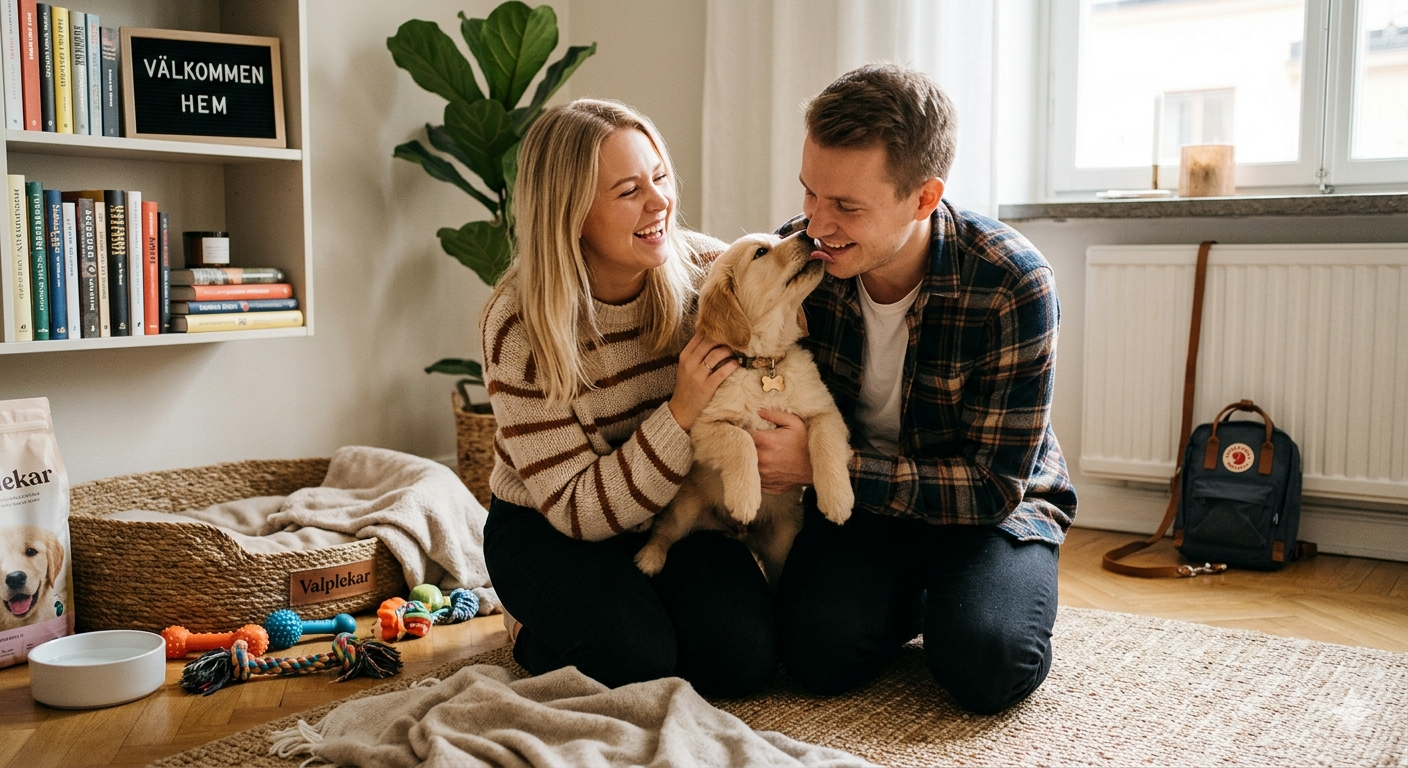
You should also set up a “safe zone” for your valplekar. This could be a crate or a small gated area with a soft bed. Having a dedicated space helps the puppy feel secure in their new surroundings. It also gives them a place to rest when the house gets too noisy. Make sure this area is cozy and has a few safe toys to keep them occupied while you are busy.
The Importance of Early Training
Training should start the very moment your valplekar walks through the door. You don’t need to teach complex tricks right away, but basic manners are a must. Start with simple things like their name and “sit.” Using positive reinforcement, like small treats and lots of praise, works best. Puppies want to please you, so show them exactly what you like.
Potty training is often the biggest challenge for new owners. Be patient with your valplekar during this time. Take them outside frequently, especially after they eat or wake up from a nap. If they have an accident inside, don’t get angry. Simply clean it up and try to catch them sooner next time. Consistency is the secret ingredient to a well-behaved adult dog.
Health and Nutrition for Growing Pups
What you feed your valplekar determines how they grow. High-quality puppy food has the right balance of proteins and minerals for developing bones and muscles. Avoid “human food” as it can upset their sensitive stomachs. Talk to your vet about how much food your specific puppy needs. Overfeeding can lead to joint problems later in life, so keep an eye on their weight.
Vaccinations are another vital part of health. Your valplekar will need several shots during their first few months to stay safe from diseases. These visits are also a great time to ask your vet any questions you have. Keeping a folder with all their medical records is a smart way to stay organized. A healthy puppy is a playful puppy, so stay on top of their checkups.
Socialization: Meeting the World
A well-socialized valplekar grows up to be a confident and friendly dog. This means introducing them to different people, sounds, and environments early on. Let them see bikes, hear umbrellas opening, and meet people wearing hats. The goal is to show them that the world is a safe and interesting place. Just make sure every experience is positive and not overwhelming.
You should also introduce your valplekar to other healthy, vaccinated dogs. This teaches them “dog language” and how to play nicely. Puppy classes are a fantastic way to do this in a controlled setting. It helps them learn to focus on you even when there are distractions around. The more they see now, the less they will fear when they are older.
Grooming and Basic Care
Even if your valplekar has short hair, grooming is important. Brushing their coat helps remove loose fur and keeps their skin healthy. It is also a great way to bond with your pet. Start touching their paws and ears early so they get used to being handled. This makes future vet visits and nail trimmings much easier for everyone involved.
Bathing your valplekar shouldn’t happen too often, as it can dry out their skin. Use a gentle shampoo made specifically for puppies. Always dry them off well so they don’t get chilly. While grooming, check for any bumps or scratches that might need attention. Taking care of their body is just as important as taking care of their mind.
Understanding Puppy Behavior
Puppies communicate through their body language. When a valplekar wags its tail, it usually means they are happy. If they cower or tuck their tail, they might be scared. Learning these signs helps you understand what your puppy needs in the moment. Sometimes they might “mouth” or nip at your hands. This is how they play with their littermates, but you should gently teach them to chew toys instead.
If your valplekar is barking a lot, they might be bored or need to go outside. Try to figure out the “why” behind the behavior. Puppies don’t act out to be mean; they are just trying to communicate. Providing plenty of mental stimulation, like puzzle toys, can reduce unwanted behaviors. A tired puppy is usually a very good puppy.
Building a Lifelong Bond
The bond you create with your valplekar will last for many years. Spend time playing on the floor with them every day. This builds trust and shows them they are a part of your pack. Gentle petting and talking in a calm voice helps them feel loved. You are their whole world, and they will look to you for safety and comfort.
As your valplekar grows, your relationship will change. They will become more independent, but they will still want your affection. Celebrate the small wins, like the first time they stay on command or sleep through the night. These moments are the building blocks of a great life together. Enjoy the journey, even the messy parts, because they grow up fast.
Common Mistakes to Avoid
One mistake many people make is giving their valplekar too much freedom too soon. If they can roam the whole house, they will likely have accidents or chew things. Use crates or playpens to manage their space until they are fully trained. Another mistake is being inconsistent with rules. If they aren’t allowed on the couch as an adult, don’t let them up there as a puppy.
Don’t forget that your valplekar needs a lot of rest. It can be tempting to play with them all day, but they need their sleep to grow. If they become extra cranky or start nipping more, they might just be overtired. Ensure they have a quiet place to nap without being disturbed. Avoiding these simple errors will make the first few months much smoother for you both.
Frequently Asked Questions
1. How long does it take to house-train a valplekar?
It usually takes 4 to 6 months for a puppy to be fully house-trained. However, some may take up to a year. Consistency and a regular schedule are the keys to success.
2. When can my valplekar go to the park?
Most vets recommend waiting until your puppy is fully vaccinated, usually around 16 weeks. This protects them from dangerous germs found in public spaces.
3. Why is my valplekar chewing on the furniture?
Teething is a natural process for puppies. They chew to relieve the pressure in their gums. Provide plenty of cold or rubber chew toys to keep them away from your table legs.
4. How much exercise does a valplekar need?
A good rule of thumb is 5 minutes of exercise for every month of age, twice a day. So, a 4-month-old needs about 20 minutes of walking or playing twice daily.
5. Can I leave my valplekar alone while I go to work?
Young puppies shouldn’t be left alone for more than a few hours. They have small bladders and need social interaction. Consider a pet sitter or a neighbor if you will be gone long.
6. What is the best way to stop a valplekar from biting?
When they bite, make a high-pitched “yelp” sound and stop playing for a moment. This teaches them that biting ends the fun. Then, give them a toy to chew on instead.
Conclusion
Bringing a valplekar into your home is a big responsibility, but the rewards are endless. By choosing the right breed, training with kindness, and focusing on health, you are setting your puppy up for a wonderful life. Remember to be patient. There will be tough days, but a wagging tail and a happy bark make it all worth it.
Take it one day at a time and enjoy watching your valplekar discover the world. You are starting an adventure filled with loyalty and love. If you follow these tips, you will have a well-adjusted and happy dog by your side for years to come. Now, go enjoy some playtime with your new best friend!
About the Author