Source Filmmaker, popularly known as SFM Compile, has revolutionized how creatives, animators, and gamers produce cinematic content using the Source engine. While creating animations, models, and scenes in SFM is intuitive, the real magic happens during the SFM compile process. Compiling in SFM refers to converting your raw animation, maps, or models into optimized files ready for playback, rendering, or sharing. In this article, we’ll dive deep into everything you need to know about SFM compile, from the basics to advanced tips.
What is SFM Compile and Why It Matters
Before diving into the technicalities, SFM Compile crucial to understand what compiling actually means in SFM. In simple terms, compiling is the process of taking your creative work—whether it’s a map, animation, or scene—and turning it into a format that SFM can read efficiently without lag or errors.
One of the main reasons compiling is essential is performance optimization. Raw assets can be heavy, uncompressed, and sometimes incompatible with SFM’s rendering system. When you compile, SFM reorganizes the data, compresses it, and ensures that textures, lighting, and animations are displayed correctly during playback or final render.
Additionally, compiling ensures compatibility with other SFM Compile users and community content. If you plan to share your maps or sequences online, a well-compiled project will reduce crashes and enhance the overall viewing experience. Think of compiling as polishing a diamond—without it, your work may look rough and unrefined.
Types of Compilation in SFM
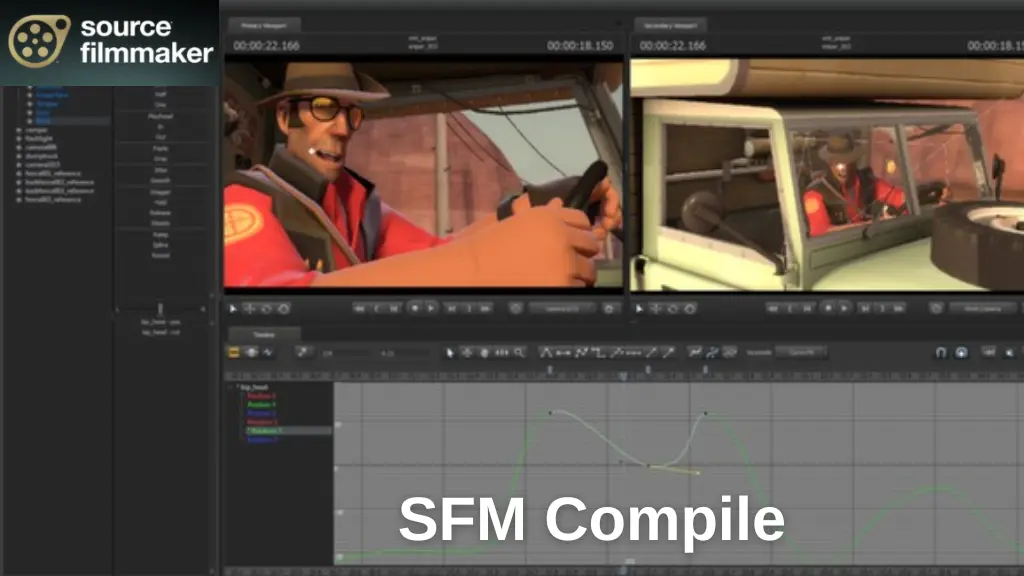
SFM compilation is not a one-size-fits-all process. SFM Compile Depending on your project, there are several types of compilation you might encounter:
Map Compile (VMF to BSP): This involves converting a Source map created in Hammer Editor from a VMF (Valve Map File) to a BSP (Binary Space Partition) file. This process ensures the map can be loaded quickly in SFM. Map compilation also optimizes lighting, removes unnecessary geometry, and precomputes visibility for better performance.
Animation Compile: Animators often compile sequences to create playable clips. This might include combining multiple motion capture files, keyframe animations, and camera movements into a single sequence. Compiling animations ensures smooth playback and prevents frame drops during rendering.
Model Compilation: While less common in casual SFM use, model compilation is crucial when working with custom rigs or high-poly models. It optimizes meshes, reduces file size, and converts them into formats SFM can efficiently handle.
Each compilation type serves a unique purpose, and understanding the distinctions can save hours of troubleshooting down the line.
Step-by-Step Guide to SFM Compile
For newcomers, the compilation process can seem daunting. However, with a step-by-step approach, it becomes manageable. Here’s a simplified guide to compiling your SFM projects:
Step Preparing Your Files
Before compiling, ensure all assets—textures, models, and sequences—are correctly placed in the appropriate directories. Incorrect file paths are one of the most common reasons compilation fails. Always double-check naming conventions, as SFM is case-sensitive.
Step Using the Compile Tools
Depending on what you’re compiling, you might use different tools. For maps, Hammer Editor’s built-in compile tools are standard. For animations, SFM has the Source Filmmaker’s export and compile sequence features. Pay attention to the options for lighting, reflections, and resolution—they can significantly affect the final output.
Step Testing the Compile
After compilation, always test your output. Load the BSP map, play the animation sequence, or check the model in SFM to ensure there are no glitches. Small errors can often be fixed with minor tweaks in your project files before doing a full render.
Common Issues During SFM Compile andHow to Fix Them
Even experienced SFM users face compilation challenges. Here are some common issues and solutions:Missing Textures: Often caused by incorrect file paths or unsupported texture formats. Ensure all textures are in supported formats like VTF and are correctly referenced in your project.
Crashes During Compile: This usually happens when your system runs out of memory or when a map is too complex. Optimize your geometry, reduce polygon count, or compile smaller sections of the map at a time.
Lighting Errors: Improperly compiled lighting can result in dark spots or flickering shadows. Use correct light types and precompute lighting where possible to reduce these errors.
Animation Lag: If your sequences stutter during playback, consider simplifying rigs, reducing keyframes, or compiling animations into shorter segments before merging them.
By understanding these pitfalls, you can save time and frustration while ensuring your final SFM projects are smooth and professional-looking.
Tips for Efficient SFM Compilation
Efficiency is key, especially for larger projects. Here are some expert tips:
Organize Your Assets: Keep textures, models, and sequences in clearly labeled folders. This prevents path issues and makes batch compilation easier.
Incremental Compiling: Instead of compiling everything at once, compile smaller sections and test them. This helps identify errors faster and prevents wasted time on failed large compiles.
Use Optimization Tools: Tools like VMEX or third-party BSP optimizers can reduce file sizes and improve performance without compromising quality.
Regular Backups: Always backup your project before compiling. A failed compile or corrupted file can be disastrous, especially for long-term projects.
Conclusion
SFM compile is a crucial step in the creative process for anyone using Source Filmmaker. From optimizing performance to ensuring smooth playback and compatibility, compiling transforms raw ideas into polished, professional outputs. Understanding the different types of compilation, following a structured workflow, and knowing common pitfalls can make the process less intimidating and more efficient.
Whether you’re an animator, map designer, or content creator, mastering SFM compile is essential to unlock the full potential of your projects. With patience, practice, and attention to detail, your animations and maps can reach a level of polish that impresses both casual viewers and seasoned professionals alike.
YOU MAY ALSO READ
About the Author