When it comes to stories that blur the line between struggle, survival, and transformation, few names stand out quite like Layton Simon. His life journey — from a rough Detroit childhood to becoming a dominant figure in the streets, and then evolving into a voice for change — is nothing short of fascinating.
Layton Simon’s story isn’t about glorifying crime; it’s about understanding the roots of hardship, the pull of survival, and the power of redemption. His path reflects the story of countless young men who grew up in environments that offered few good choices — and yet, he managed to turn his life around in ways few thought possible.
Let’s explore his early years, his rise to power, Layton Simon his infamous rivalry with the Black Mafia Family, his portrayal in pop culture, and the transformation that defines him today.
Early Years and the Making of a Survivor
Layton Simon grew up in Detroit, Michigan, during a time when the city was changing fast. Once a symbol of American industry, Detroit faced severe economic decline, unemployment, and a rise in street violence. For many kids in his neighborhood, survival wasn’t just a word — it was a daily mission.
From an early age, Simon learned to navigate a world where danger lurked on every corner. Stories from his childhood paint a picture of a boy forced to grow up too quickly, surrounded by both poverty and violence. One story often told about his youth involves him protecting his family during a break-in — a small example of how deeply responsibility and fear were intertwined in his early life.
By his teenage years, Simon was already being shaped by the streets. Like many in Detroit at the time, he found himself pulled into the fast-moving drug economy. He began working for local figures who controlled key neighborhoods, learning how power, trust, and reputation worked. By the age of fifteen, he was already driving luxury cars — a clear symbol of how quickly he was climbing the ladder.
But behind the money and status, there was a dangerous reality. Layton Simon Every move carried risk, and each success made him a bigger target. Even then, it was clear that Simon’s ambition was matched only by his determination to survive in a world where most didn’t make it past their twenties.
Rise to Power: Territory, Influence, and Street Politics
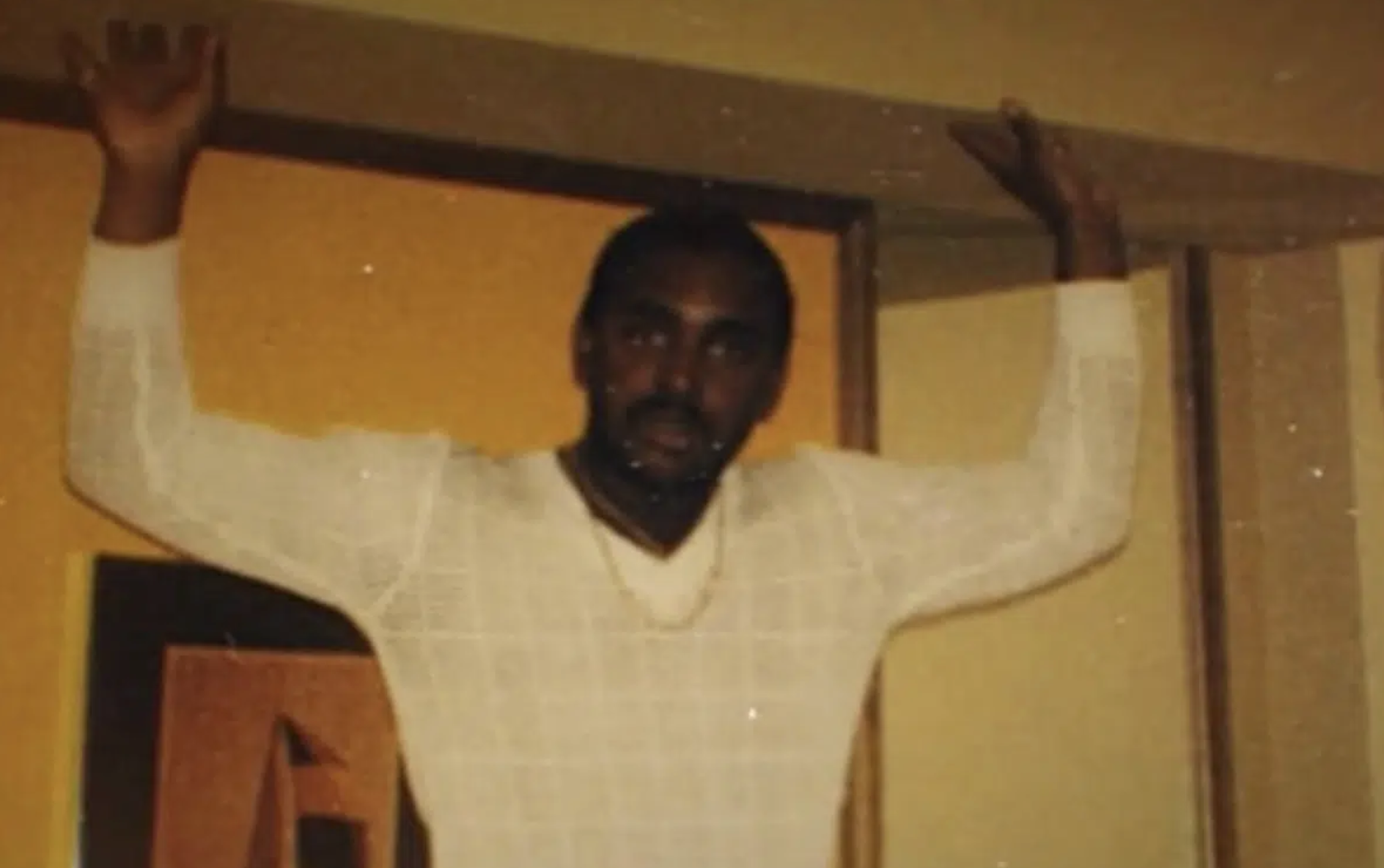
As the late 1970s turned into the 1980s, Layton Simon became a name people in Detroit’s underground world recognized. After his mentor went to prison, Simon began to control parts of Detroit and its nearby suburbs, expanding his influence and income.
His rise wasn’t about fame — it was about dominance. Controlling territory meant managing money, loyalty, and sometimes fear. Those who worked with him described him as smart, strategic, and willing to do whatever was necessary to keep control.
However, success in that world comes at a price. The constant pressure of rivals, police surveillance, and betrayal made it clear that power in the streets was fleeting. Simon was involved in numerous violent confrontations and lived through countless attempts on his life.
He once said that being “the boss” in the streets wasn’t glamorous — it was stressful, lonely, and full of loss. Friends disappeared, allies turned enemies, and danger was always just a block away. Layton Simon Despite all that, he maintained a reputation for being disciplined and fearless — two traits that would define his legacy long after he left that life behind.
The Rivalry with Big Meech and the BMF Era
No story about Layton Simon is complete without mentioning his rivalry with the Black Mafia Family (BMF) — one of the most powerful criminal organizations to ever emerge from Detroit. Founded by Demetrius “Big Meech” Flenory and Terry “Southwest T” Flenory, BMF expanded far beyond Michigan, eventually reaching Atlanta and beyond.
Simon’s territory overlapped with areas BMF wanted to control, and tensions rose quickly. Their conflict wasn’t just about drugs or money — it was about dominance, pride, and the code of the streets.
The feud between Simon and the Flenory brothers became the stuff of legend. It represented a shift in Detroit’s criminal landscape — an old-school figure defending his ground against a new generation looking to expand. Despite the hostility, Simon always maintained a certain respect for Big Meech. He recognized that Meech followed his own code and didn’t involve law enforcement in their disputes — something Simon admired, even in an enemy.
That rivalry eventually pushed BMF to move much of its operation to Atlanta, opening a new chapter in both their stories. Layton Simon While the feud was fierce, it also marked the beginning of Simon’s realization that this world of constant conflict couldn’t last forever.
From the Streets to the Screen: Layton Simon in Pop Culture
Layton Simon’s life story reached new audiences when it inspired a key character in the hit TV show BMF. The character “Lamar Silas” is said to be based loosely on Simon’s life and personality.
In the show, Lamar is portrayed as unpredictable, fearless, and deeply loyal to his city — qualities that mirror Simon’s real-life persona. However, Simon has spoken about how some parts of the show exaggerated or misrepresented certain events. He wanted people to know that while parts of Lamar’s story are true, others were purely fiction added for entertainment.
Still, the show’s success gave Simon something unexpected: a second kind of fame. He went from being known in Detroit’s underground to being recognized nationally as the man behind one of television’s most intense and talked-about characters.
For many viewers, the show opened a window into Detroit’s gritty past. For Simon, it was a chance to share his truth — not to glamorize his past, but to show that real life is more complicated than TV drama can capture.
Redemption and the Road to Change
Today, Layton Simon is no longer the man he once was. After years of living on the edge, he chose a different path — one centered on growth, mentoring, and giving back to the community that shaped him.
He founded a clothing brand that reflects his new philosophy: turning pain and survival into purpose. Beyond business, he’s dedicated much of his time to mentoring young people, particularly those growing up in environments similar to his own. He speaks in schools, community centers, and even prisons, sharing his experiences to warn others about the traps of street life.
What makes his redemption powerful is its authenticity. He doesn’t pretend that his past didn’t happen, nor does he glorify it. Instead, he uses it as proof that change is possible, no matter how deep someone has fallen. His message is simple: “You can’t change where you came from, but you can change where you’re going.”
For a city that has seen too many lives cut short by violence, Layton Simon represents a rare story of survival and growth. His transformation from feared street figure to mentor and businessman offers hope that the same energy that fuels destruction can also drive renewal.
Legacy and Lessons for the Next Generation
Layton Simon’s life carries valuable lessons that go beyond Detroit.
First, it reminds us that environment shapes people. Many of the decisions he made were products of survival in a system that offered limited choices. Understanding that context helps society see how change requires opportunity — not just punishment.
Second, it proves that growth is possible at any stage. Simon’s shift from the streets to mentoring shows that one’s past doesn’t have to define one’s future. His courage to face his mistakes head-on is what gives his message power.
Third, his story is a warning against the illusion of fast success. What seems like power and wealth in the street world often leads to loss, fear, and destruction. Simon’s honesty about that truth makes him a credible voice for youth tempted by the same path he once walked.
Today, when young people hear his story, they see more than just a man who survived — they see a man who chose to evolve. That’s his real legacy.
Conclusion
Layton Simon’s story is a blend of pain, power, and purpose. From his rough beginnings in Detroit’s toughest neighborhoods to becoming a street legend, and then finally transforming into a voice of change, his journey captures the full range of human struggle.
He’s not a perfect man, but he’s a real one — someone who faced darkness and still found a way to bring light to others. His name might have started as one whispered on the streets, but today, it stands for something much bigger: redemption, wisdom, and hope for a better future.
YOU MAY ALSO READ
About the Author